







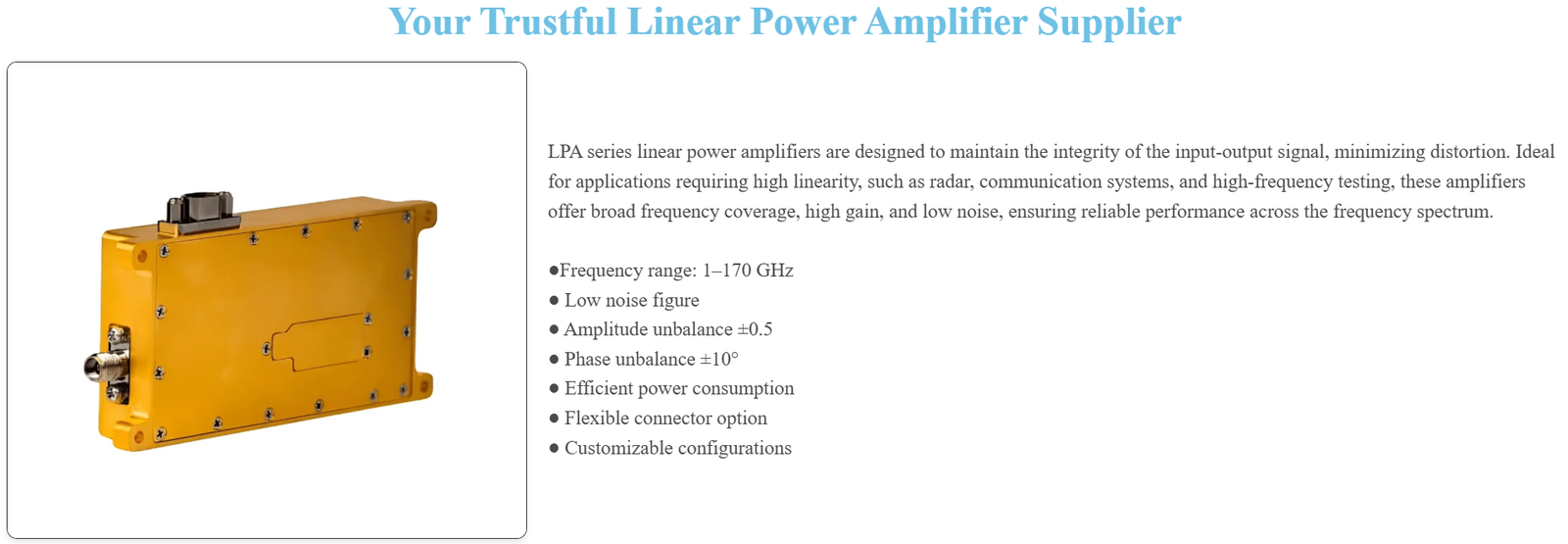
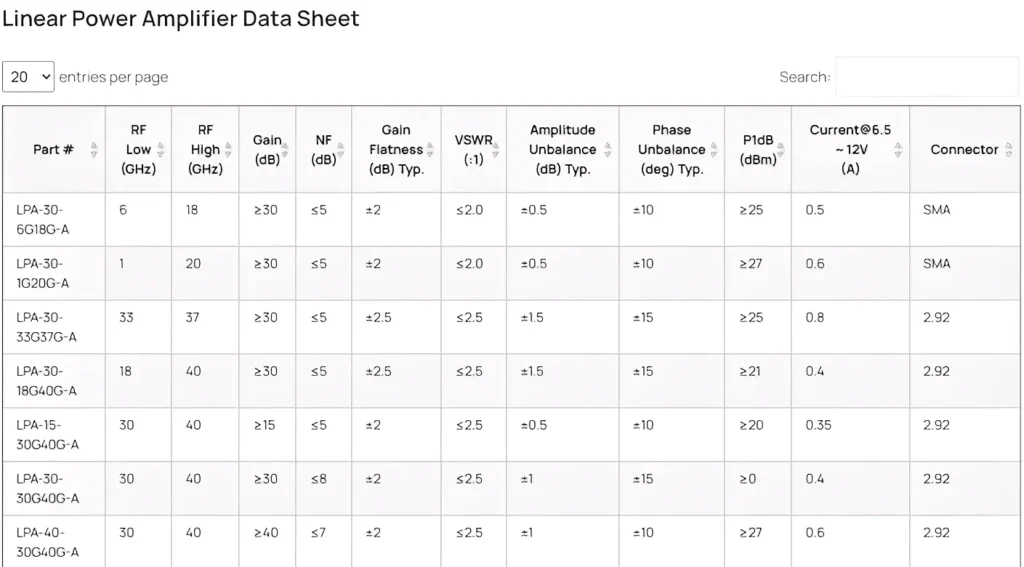
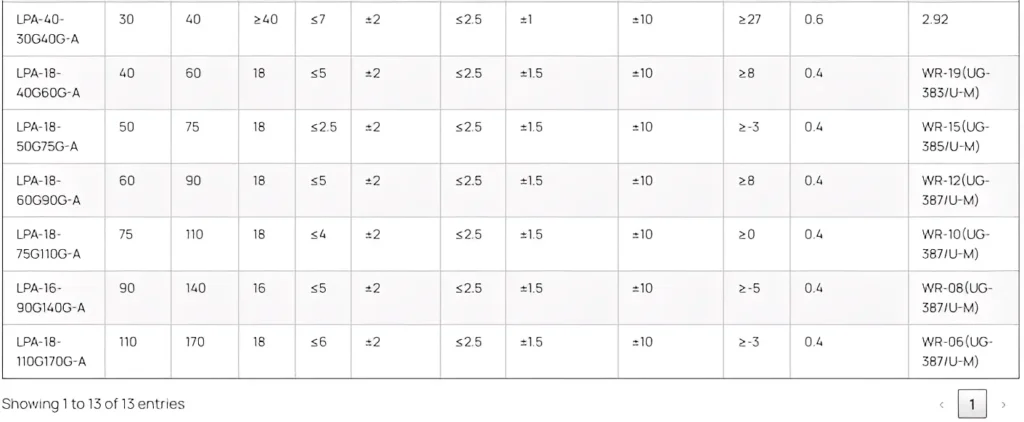
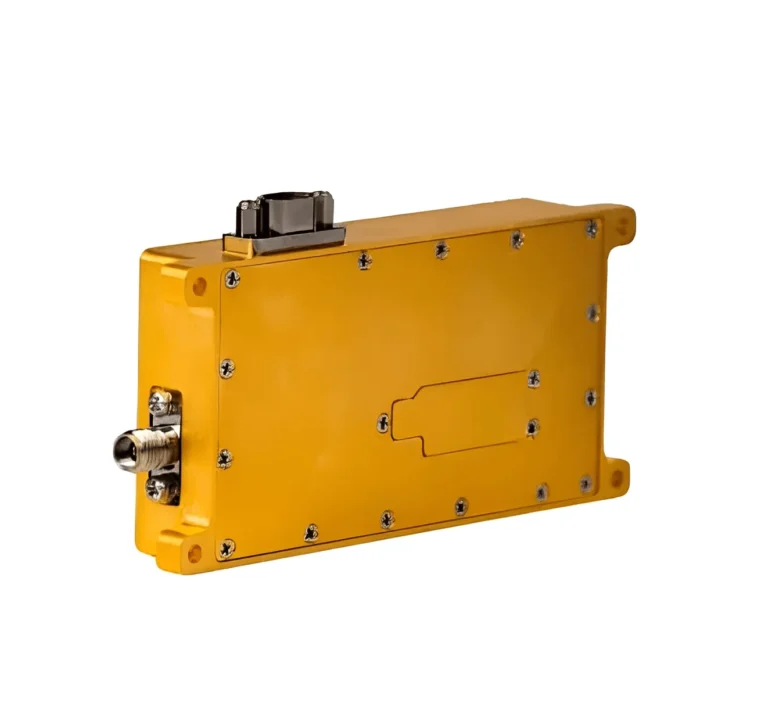




A Linear Power Amplifier (LPA) is an RF or microwave amplifier designed to increase signal power while maintaining a strictly proportional relationship between the input and output waveforms. In practical terms, this means the amplifier preserves both amplitude and phase characteristics of the original signal, so the amplified output is a faithful, scaled version of the input. This proportional behavior is essential in modern communication systems that rely on complex modulation schemes, where even small distortions can degrade signal quality and system performance.
LPAs achieve this performance by operating the active device—such as a transistor or vacuum device—within its linear operating region. By avoiding saturation and cutoff during normal operation, the amplifier minimizes nonlinear effects that generate harmonics, spectral regrowth, and intermodulation distortion. As a result, LPAs provide high signal fidelity, low error vector magnitude (EVM), and excellent adjacent channel performance. These characteristics are especially important in broadband and multi-carrier systems, where linearity directly affects spectral efficiency and regulatory compliance.
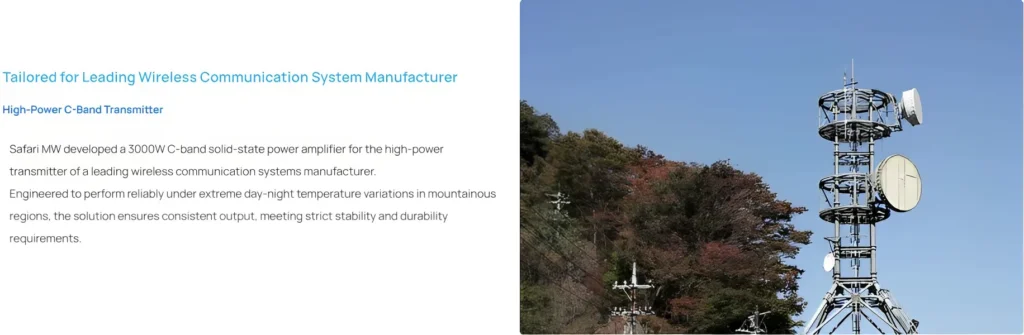
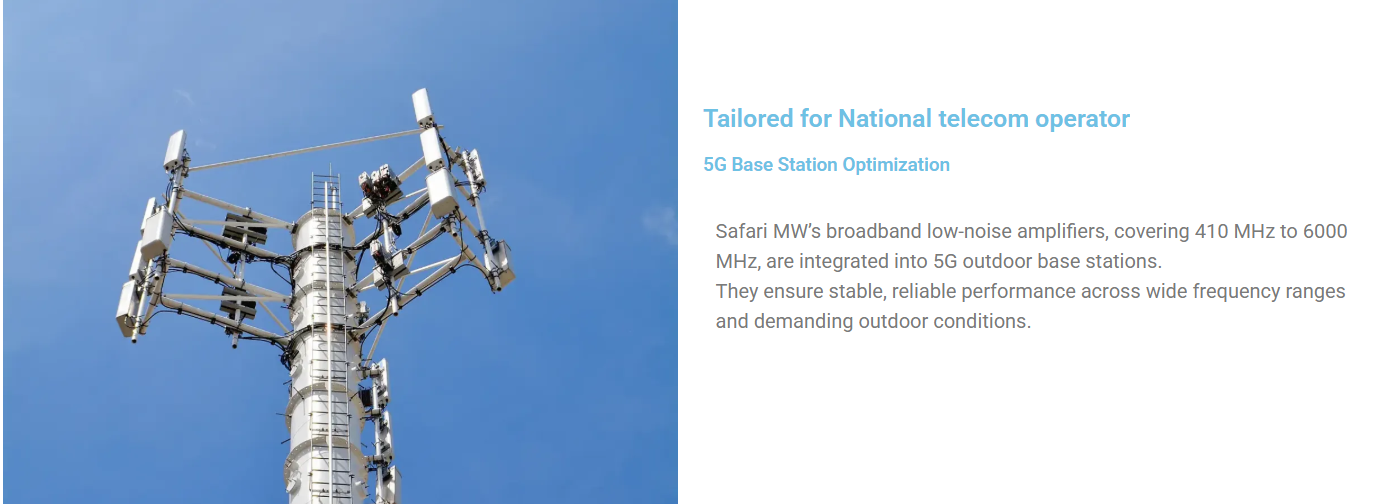
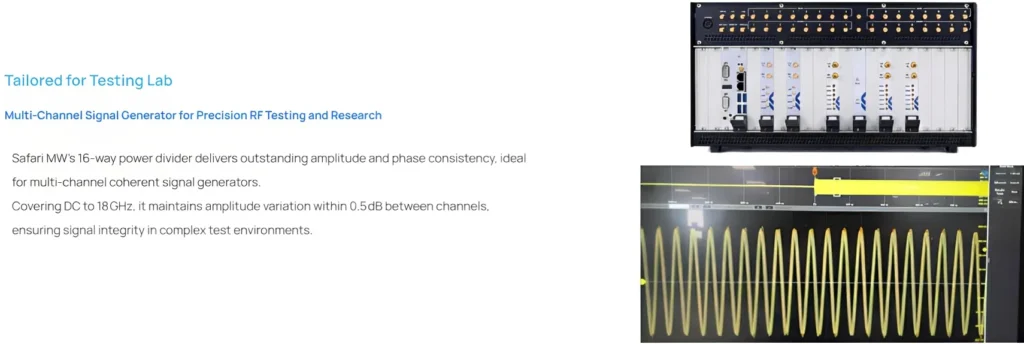
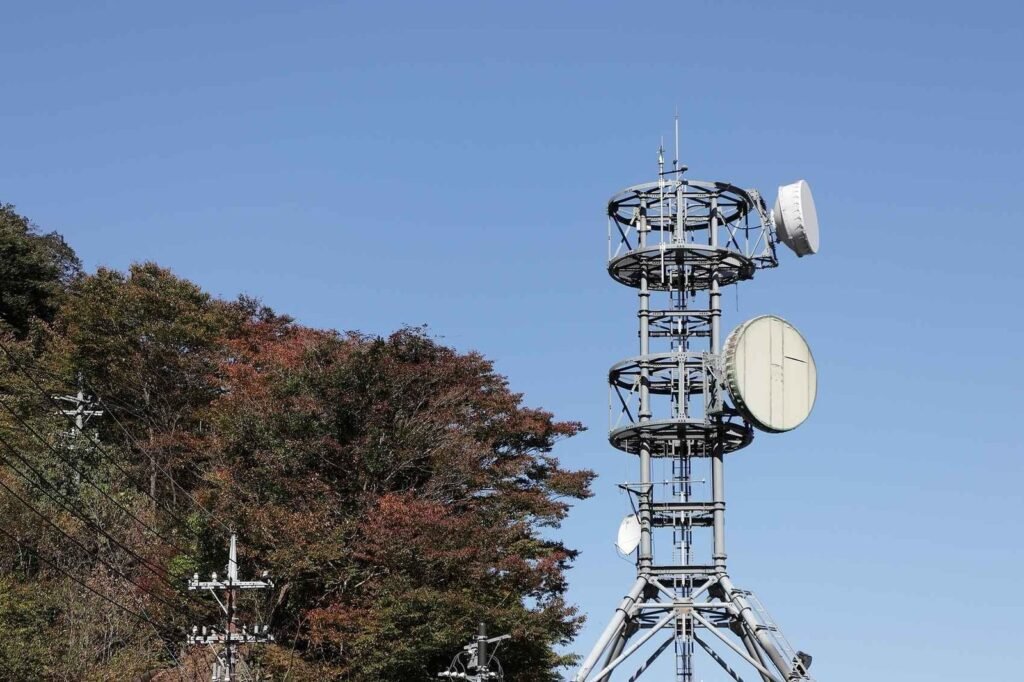
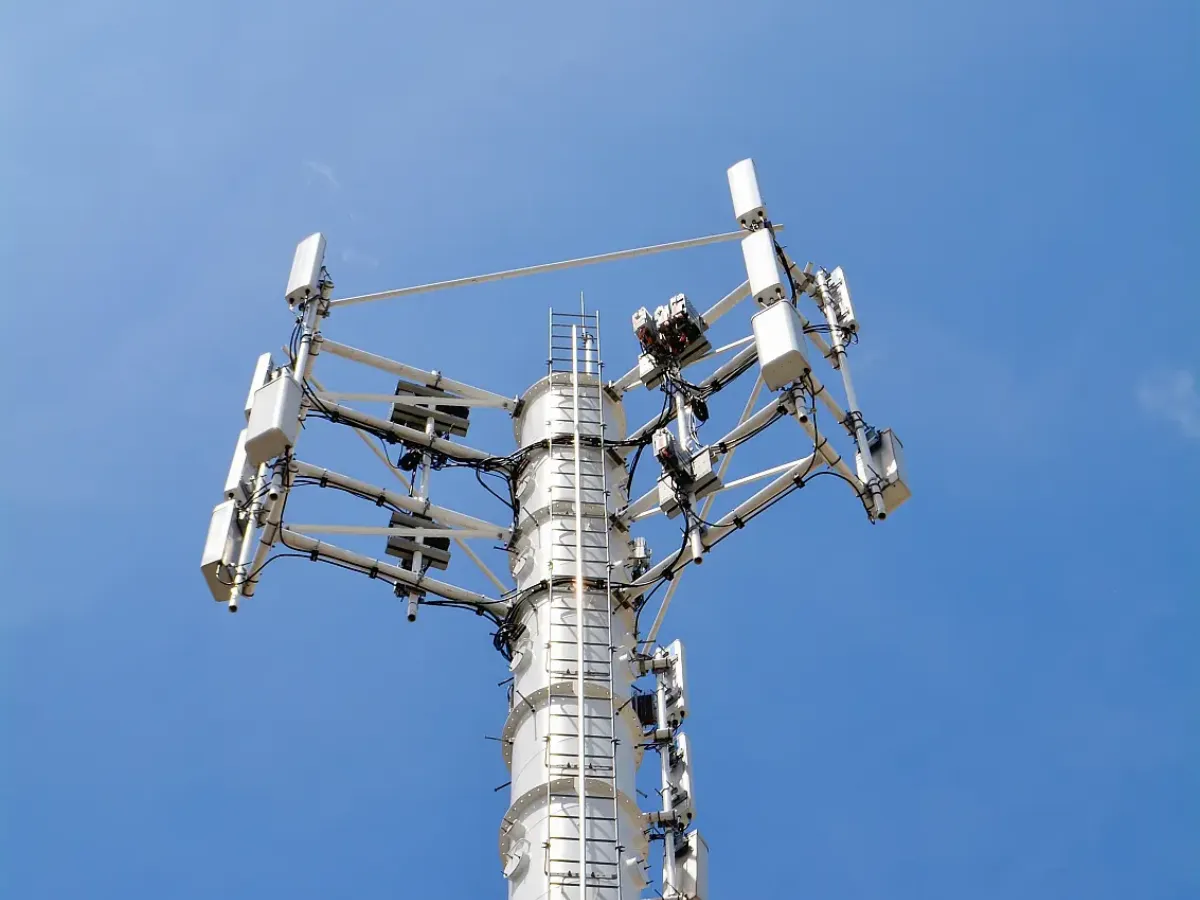
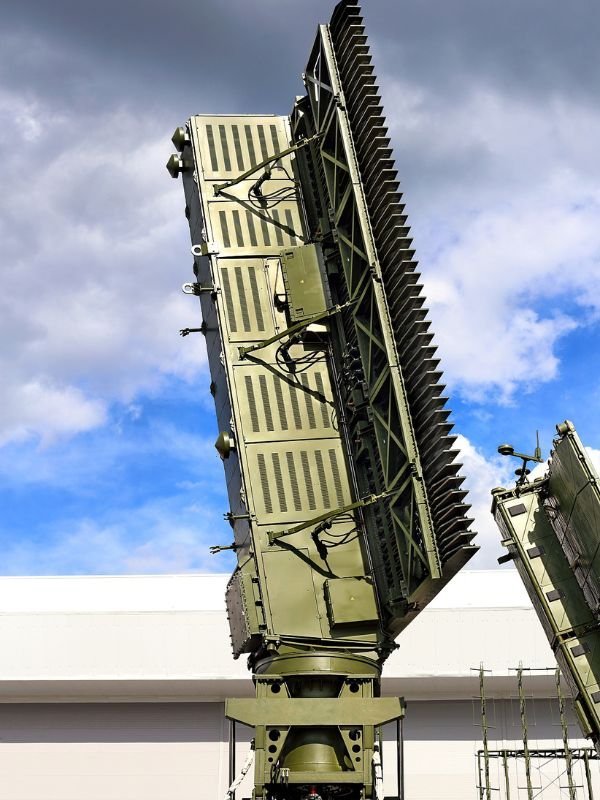
Because of their ability to preserve signal integrity, linear power amplifiers are widely used in applications such as wireless base stations, satellite communications, radar systems, and test and measurement equipment. In these environments, maintaining modulation accuracy and minimizing distortion are critical for reliable data transmission and precise signal analysis. Although linear operation can reduce power efficiency compared to highly nonlinear amplifier classes, advances in device technology and linearization techniques—such as digital predistortion (DPD) and feedforward correction—help balance efficiency with stringent linearity requirements





































 English